How the Mediterranean Diet May Guard Against Depression in Older Women
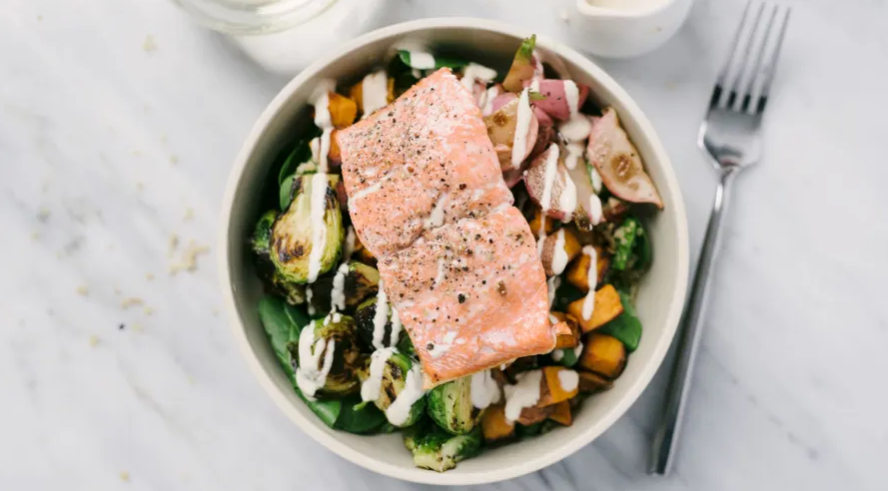
Depression isn’t just a phase—it’s a common obstacle for people over 60. Fortunately, growing research suggests that what we eat might make a difference. Specifically, a Mediterranean-style diet—rich in plants, healthy fats, and fish—seems to lower depression risk, especially in older women.
The Study at a Glance
First, researchers analyzed data from nearly 800 Italian adults aged 65 to 97. Then, they measured dietary habits using questionnaires covering foods like fruits, veggies, grains, fish, and oils. Because Mediterranean-style eating emphasizes whole foods and minimizes processed options, it served as the prime focus.
In addition, participants received a depression scale score to determine if they showed symptoms. Ultimately, those with the closest adherence to the Mediterranean pattern had a 55% lower likelihood of reporting depressive symptoms.
A Gender-Specific Impact
Next, when researchers separated results by gender, the protective effect was most notable in women. For instance, women who ate more fish—at least three servings weekly—showed up to a 62% lower risk of depression symptoms compared to those with lower intake.
Meanwhile, men didn’t demonstrate a significant link between Mediterranean adherence and mood. Therefore, this suggests that women may derive greater mental health benefits from this eating style, though the exact reasons aren’t fully clear.
Fish & Healthy Fats as Key Players
Furthermore, fish is a standout component. Fatty fish deliver omega‑3s, nutrients that support brain health and can reduce inflammation. During the study, women who consumed fish regularly saw the greatest reduction in depressive feelings, with 60% lower risk.
Likewise, foods rich in monounsaturated fats—like olive oil, nuts, and avocados—seemed to help. Specifically, women with higher ratios of these healthy fats compared to saturated fats showed about 42% lower depression risk.
Beyond Fish: Plants & Whole Grains
Additionally, a diet full of fruits, vegetables, legumes, and whole grains supports mental health too. In other studies, Mediterranean-style eating lowered depressive symptoms and reduced inflammation over long follow-up periods among older adults.
Hence, it’s not just about fish—it’s the diversity of whole plant foods and healthy fats that work together. Together, these choices create an antioxidant-rich, low-inflammation environment in the body and brain.
Why It Works
Moreover, there are several mechanisms at play:
Anti‑inflammatory effects: Monounsaturated and omega-3 fats reduce chronic inflammation linked to depression.
Neurotransmitter functions: B vitamins, antioxidants, and omega‑3s support serotonin, dopamine, and brain cell health.
Gut‑brain balance: Fiber from plants fosters a healthy gut microbiome, which influences mood and cognition.
Consequently, Mediterranean eating nourishes the body, the brain, and emotional well-being as we age.
Who Might Benefit Most
Meanwhile, not everyone sees the same improvements. In this study, the positive impact was held in women but not in men.
Still, other research in Swedish women showed that a strong Mediterranean diet at midlife corresponded to a 5–18% lower depression risk over 20 years. Therefore, the pattern appears most consistent in women, though more work is needed to uncover gender differences.
How to Eat Mediterranean for Mood
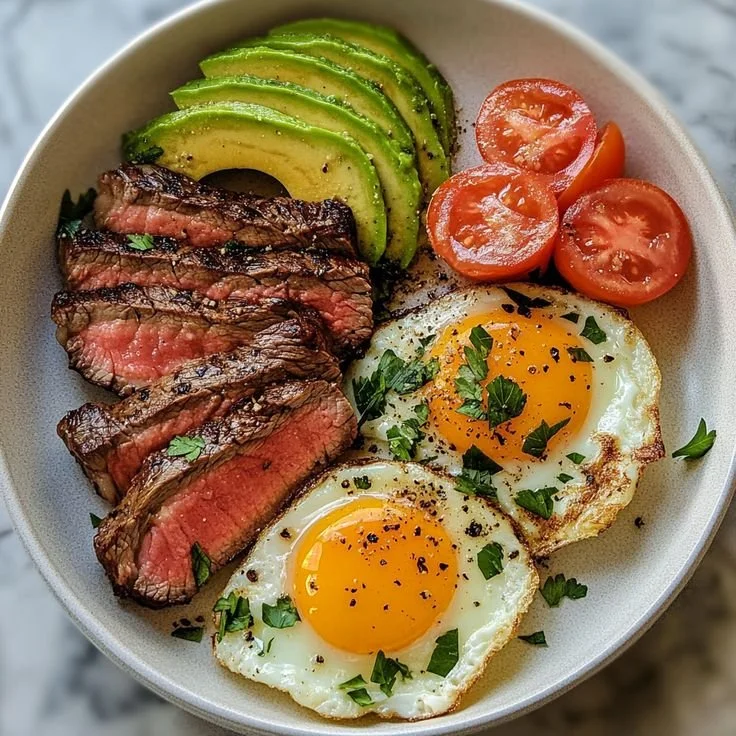
To begin, increase your fish intake—aim for three servings per week. Next, pour olive oil over salads and vegetables instead of butter. Meanwhile, snack on olives, nuts, and seeds. Then, fill half your plate with fruits and veggies. Also, swap refined grains for whole options like barley, oats, or brown rice. Finally, cut back on sweets, processed foods, and red meats.
Keep It Realistic
Also, you don’t need to overhaul your diet overnight. Instead, add one Mediterranean habit each week—like fish, nuts, or whole grains. Over time, these shifts can accumulate into meaningful benefits for mood and mental health.
Is Food Enough?
However, diet is one piece of the puzzle. Therefore, combine it with regular physical activity, social connection, and good sleep. Because, mental wellness thrives when multiple lifestyle factors align.
What the Science Says Next
Additionally, scientists call for bigger and more diverse studies. Specifically, they want to see if Mediterranean-style eating actually prevents or helps treat depression, and whether men respond similarly. Moreover, they seek to clarify how much benefit comes from each food group—fish, fats, grains, and plants—and how all these fit together.
Still, the existing data on older women is strong, showing up to a 62% reduction in depressive symptoms. Therefore, shifting your food pattern may pay off for your mood.
Takeaway Tips
Start small with fish, olive oil, and veggies.
Aim for diversity across plant foods, grains, and healthy fats.
Monitor your mood as diets change.
Pair food with sleep, movement, and connection for the best results.
Consider a healthcare check to screen for nutrient gaps or hormone imbalances.
Final Thoughts
In summary, the Mediterranean-style diet looks especially protective for older women’s mental health. Because it’s blend of omega‑3s, monounsaturated fats, fiber, and plants supports brain chemistry and lowers inflammation. Moreover, this pattern’s flexibility makes it easy to adopt, even gradually.
So, if you’re seeking a natural, food-based tool to support your mood in later years, start with your plate. Then, pair it with mindful living and community. Ultimately, this holistic mindset may help you feel both nourished and mentally resilient.
